
Lensky’s Unlived Future
Eugene OneginThis thread follows Lensky from youthful promise to death and considers the possible life that the duel cuts short.
increasing Bearing strength in each event
 decreasing
Bearing strength in each eventdecreasingA Young Returnee
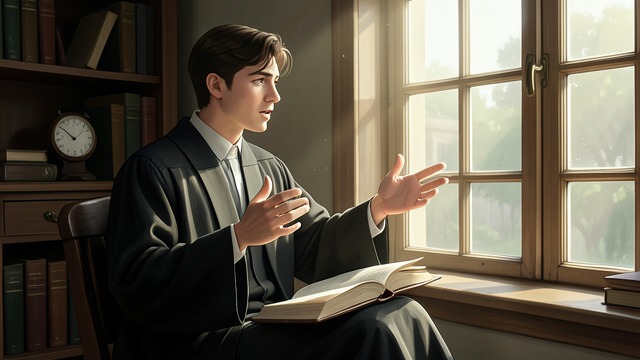
A Young Returnee
Learning and expectation
Lensky returns from Germany with philosophical learning, enthusiasm for liberty, and confidence in friendship and love.
His ideas have not yet been tempered by the disappointments that shaped Eugene.
A poet’s outlook
He turns personal feeling into verse and approaches the world through hope. The narrator admires the freshness of that outlook while recognizing its naivety.
Lensky’s idealism defines the promise that his short life will never fulfill.
Love as Destiny
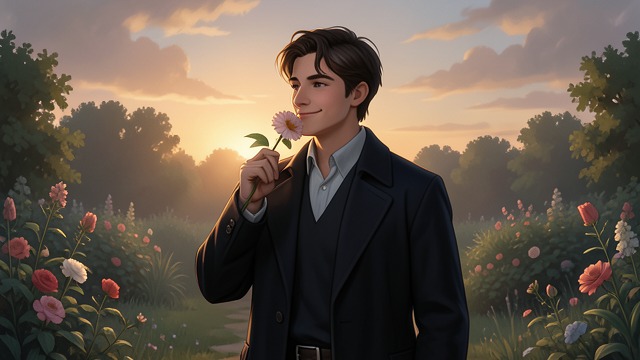
Love as Destiny
The beloved as ideal
Lensky treats his long-standing love for Olga as a constant and almost sacred attachment. He reads their courtship as confirmation of the future he has imagined.
Distance, social life, and other interests cannot dislodge his devotion.
Feeling made into poetry
His verses draw on the language of youthful romance, giving everyday affection a heightened meaning.
The emotional sincerity is genuine, but it leaves him unprepared to interpret Olga’s behavior without the protection of his ideal.
Jealous Flight
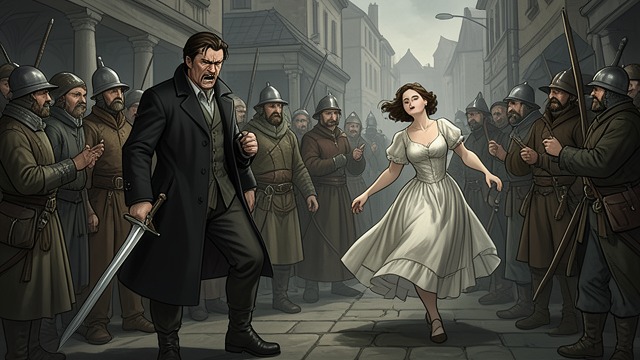
Jealous Flight
A perceived betrayal
Lensky sees Eugene dancing and speaking intimately with Olga. He experiences the scene as a deliberate insult, though Olga has not treated the flirtation as a serious attachment.
Jealousy rapidly replaces the reflective conversation that usually defines his friendship with Eugene.
Anger becomes action
Lensky leaves the celebration and challenges Eugene. He believes he is defending love and honor, but his response gives a passing offense deadly force.
The scene marks the moment his emotional certainty becomes a threat to his life.
The Duelist’s Last Poem
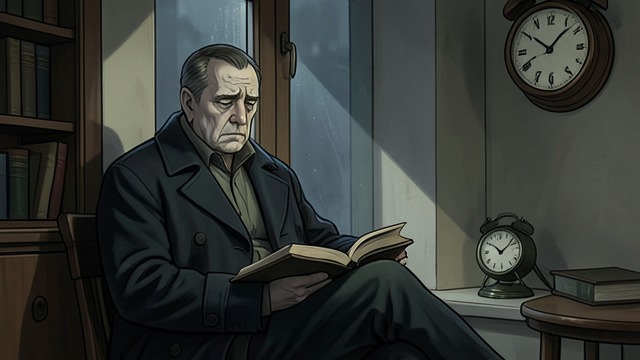
The Duelist’s Last Poem
A foreseen possibility
Lensky writes about the uncertainty of the coming morning and imagines that he may not survive it. His thoughts turn toward Olga and the possibility of being remembered.
The poem gives voice to fear without persuading him to cancel the duel.
A life at the threshold
He falls asleep after writing, and Zaretski wakes him for the appointed encounter. The intimacy of a quiet literary night gives way to the procedural demands of honor.
The shift from reflection to action exposes how little time Lensky has left.
The Future Imagined
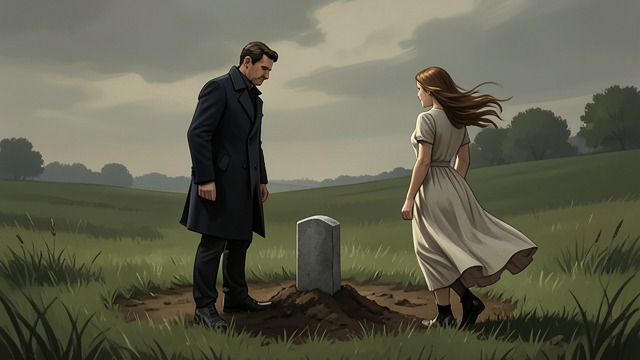
The Future Imagined
Two possible lives
The narrator wonders whether Lensky might have become a great poet or instead settled into conventional domestic life. Neither future can be confirmed.
The alternatives make his death feel like the destruction of possibility, not simply the end of a life.
Permanence and forgetting
A grave and a simple epitaph preserve his memory for a time, but the living soon turn toward their own concerns.
The poem mourns both the lost man and the uncertainty of what he might have become.
when Lensky returns from Germany
during Lensky’s courtship of Olga
during the name-day fête
the night before the duel
after Lensky’s burial
